

Technical update on Bio-sourced material trials
As part of the European LIFE VINOSHIELD project, a series of trials was conducted between July and November 2025 to evaluate the feasibility of vineyard protection nets made from bio-sourced materials. This work is based on the collaboration between Futerro, the PLA (Polylactic Acid) supplier, and Texinov, the textile manufacturer..
Project research objectives
The overall approach within the VINOSHIELD project aims to explore alternatives to traditional synthetic textiles. The study continues across three main areas:
- The use of bio-sourced raw materials.
- The validation of technical performance and field durability.
- The evaluation of the recyclability of the nets at the end of their life cycle.
This aspect of the project aims to help reduce the carbon footprint through the use of bio-based raw materials which, in the long term, will be produced and recycled in France.
Technical transformation process
The testing program focused on two main industrial processes:
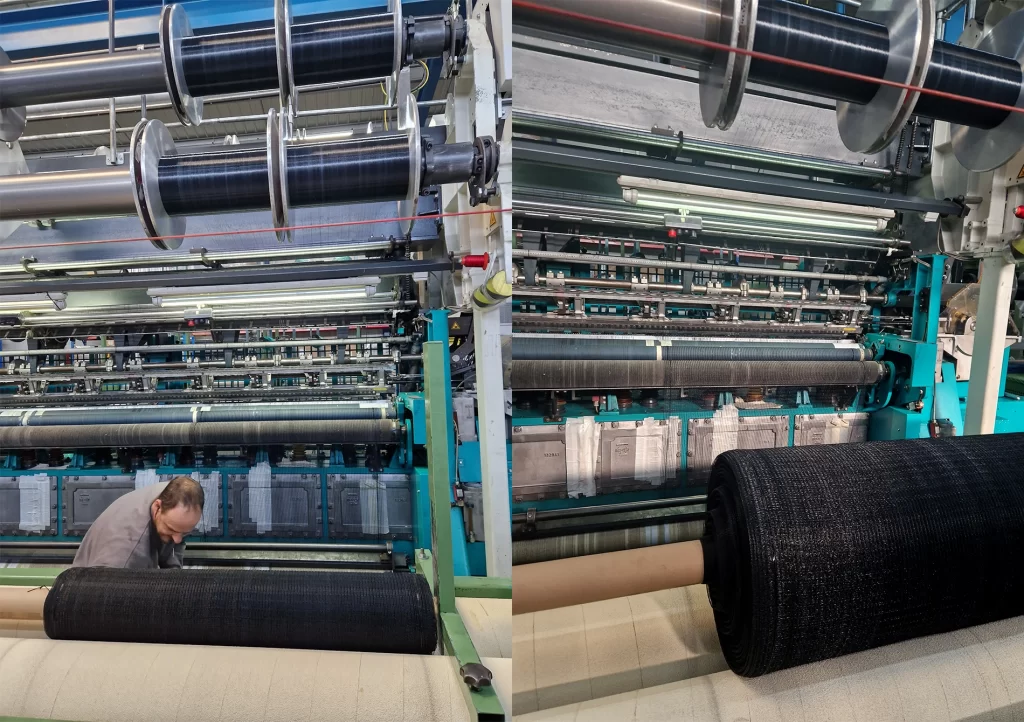
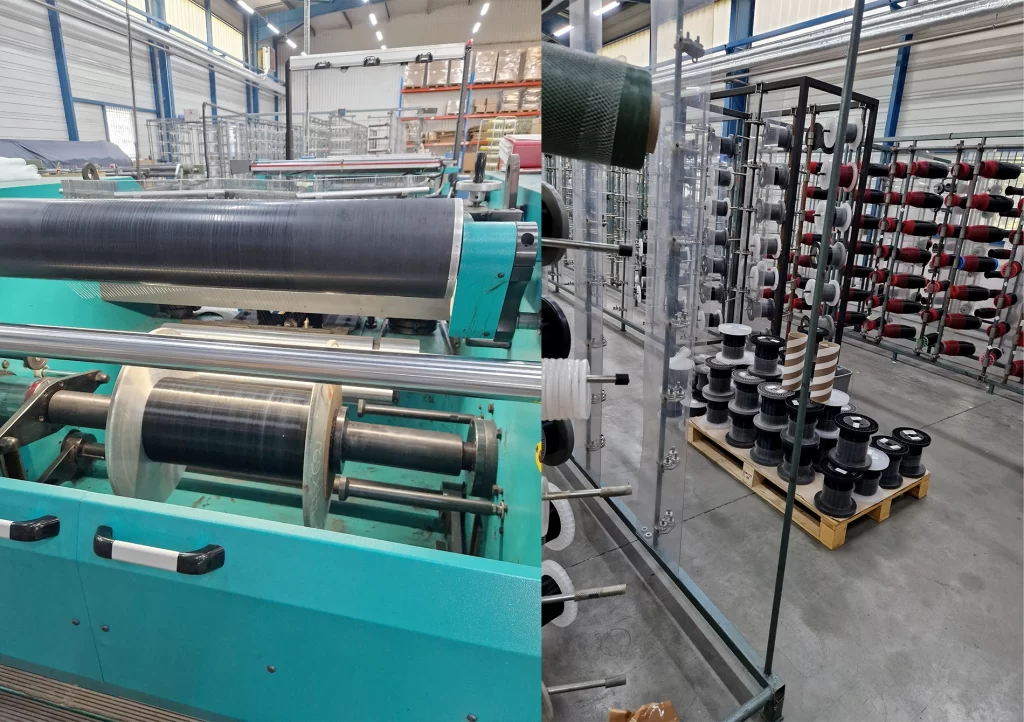
- Spinning: Conducted by Texinov using PLA supplied by Futerro, this phase resulted in a yarn with mechanical properties close to the standards typically required for hail protection nets.
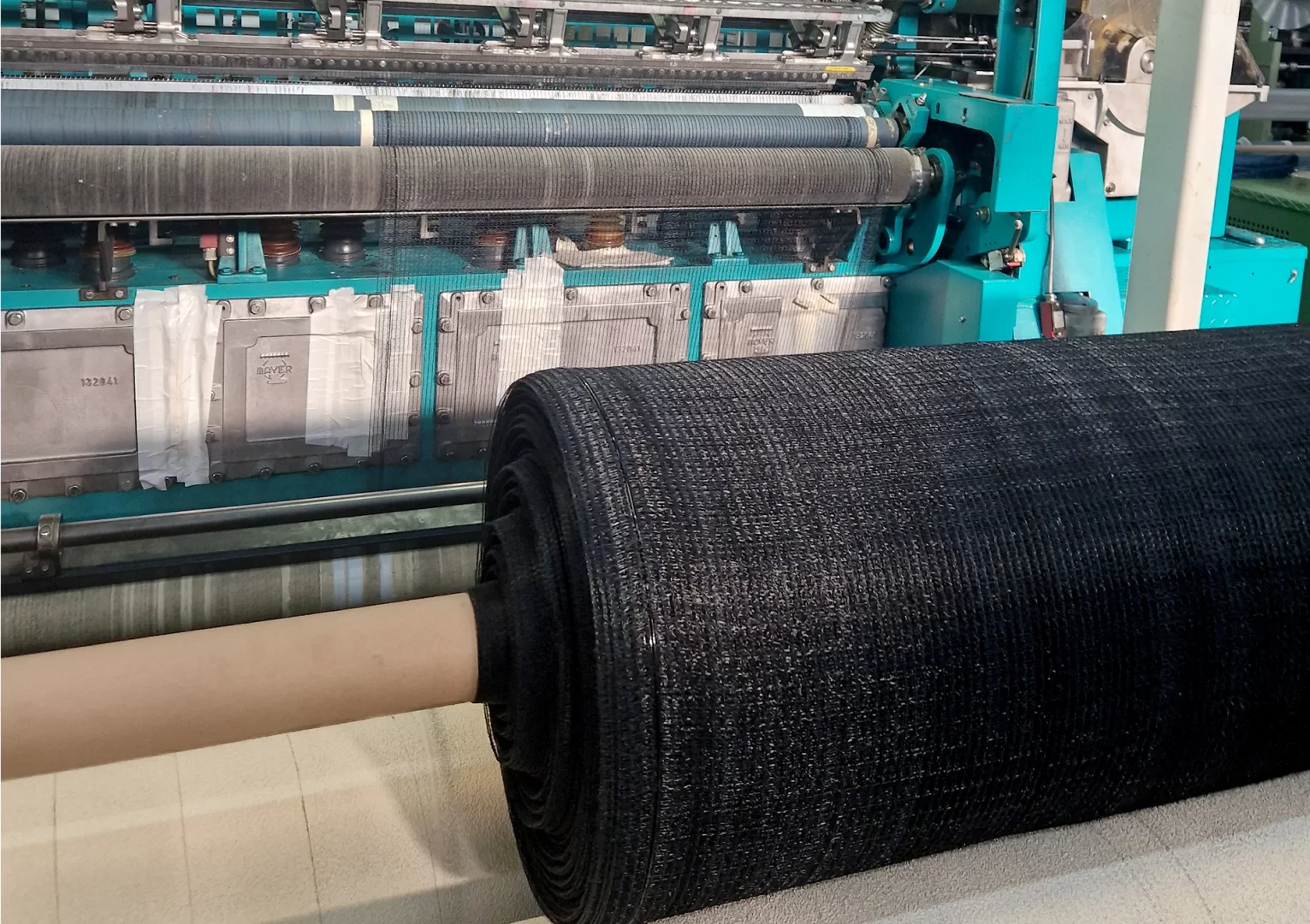
- Knitting: This stage confirmed the technical feasibility of knitting the bio-sourced yarn. However, the characteristics obtained at this stage remain slightly lower than the performance levels of the petroleum-based products currently on the market.
Real-world performance evaluation
To study the behaviour of these textiles over time, a field testing phase has been initiated. The resulting nets have been installed in outdoor environmental conditions. This step is essential to measure:
- Durability against weather exposure and UV radiation.
- Retain mechanical properties under real-use conditions.
The results obtain will enable to evaluate the technical optimizations to implement for production and life cycle of PLA nets.